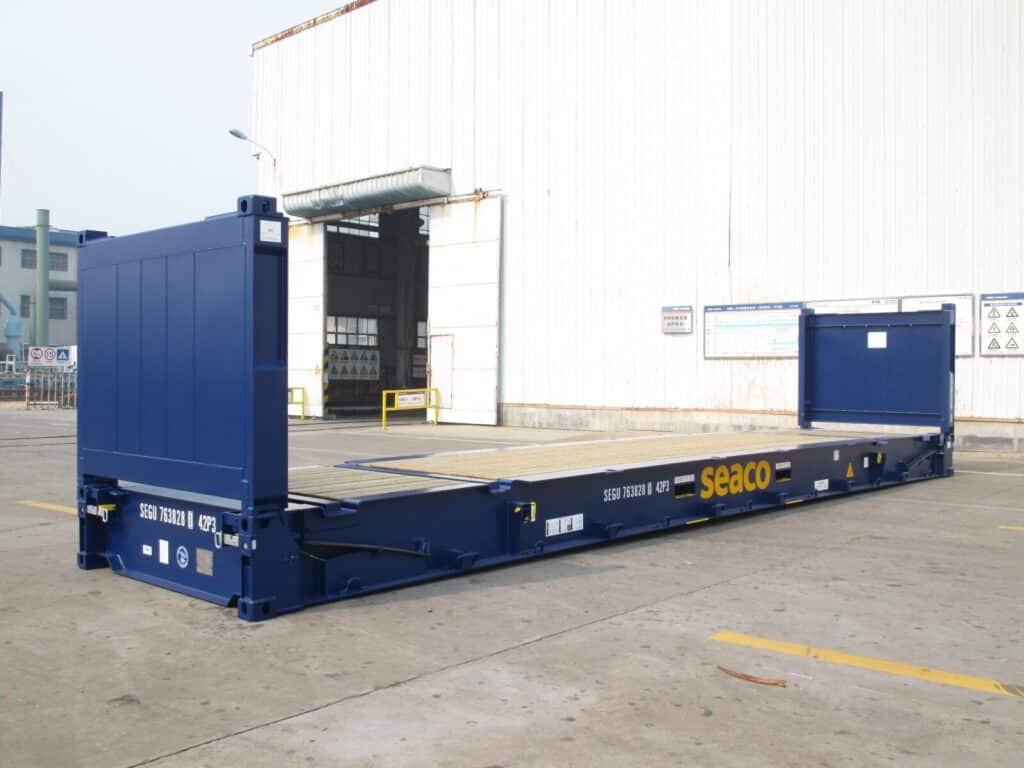
 PROJECT CARGO / FLAT RACK · REFERENCE IMAGE
Moving industrial machinery starts with understanding the actual cargo, not choosing a container first. In this illustrative scenario, the packed unit exceeds the dimensions of standard enclosed equipment, so the shipper needs a movement plan that addresses loading, securing and the full route before a booking is made.
Planning around the cargo
The planning team gathers the packed length, width, height and gross weight, along with drawings, lifting points and any handling restrictions. Those details help determine whether a flat rack is appropriate and what support, lashing and protection the cargo may need. Equipment suitability, availability and carrier acceptance must be checked against the actual shipment information rather than assumed.
The route plan also considers how the machinery will reach the origin port, how it can be loaded and handled at each transfer, and what equipment will be needed at destination. Responsibilities for packing, lifting, securing, port handling, documentation and final receipt are agreed between the relevant parties before the cargo moves.
How the cargo plan comes together
Illustrative stages; actual arrangements depend on confirmed shipment details.
- 01Assess cargoDimensions, weight & lifting points
- 02Plan equipmentFlat rack suitability & acceptance
- 03Coordinate routePickup, port handling & documents
- 04Confirm handoverDestination receipt & records
Coordinating the movement
Once the proposed equipment and route are confirmed, the shipment details and supporting documents are checked against the cargo plan. Pickup timing, terminal requirements and the receiving arrangements are coordinated so that each handover—from collection through transport and port operations to destination receipt—has a clear owner and practical next step.
In this illustrative outcome, the machinery reaches the agreed receiving point and the delivery handover is acknowledged. Shipment records are then brought together for close-out. The exact equipment, route, handling scope and result for a real project would depend on verified cargo details and confirmed operating arrangements.